
The Dog That Didn't Bark
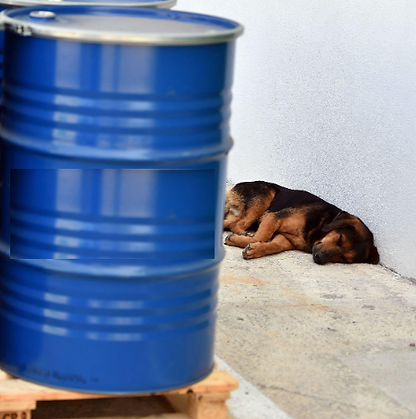
Don’t look now, but oil prices have quietly fallen back towards levels seen before the war with Iran began. This is somewhat surprising given that the United States and Iran remain some distance from a comprehensive agreement, and it’s not like Iran’s nuclear ambitions have disappeared, or Israel’s security concerns have vanished overnight. Despite repeated warnings that it could take months for the region to normalise, why do the oil markets appear so remarkably relaxed?
For one thing, commentators focused on what could happen, while traders focused on what probably would happen. Iran needs to sell oil almost as much as the world needs to buy it, making a prolonged disruption less likely than many feared. Meanwhile, major producers still possess spare capacity after years of production restraint, while global demand remains relatively subdued. Unlike in 2021, the world is not short of oil.
Markets have also learned from experience. Over the past decade, investors have witnessed a steady stream of geopolitical crises and threats to energy supplies, only for actual oil flows to prove far more resilient than expected. Oil traders have spent so many years waiting for geopolitical Armageddon that they now demand proof before pricing it in.
Perhaps the market has concluded that any disruption is likely to be temporary rather than structural. Oil can be rerouted, production can be increased elsewhere, and history suggests that economic incentives usually prove stronger than political rhetoric. In other words, traders appear to believe that the world is far better equipped to absorb an oil shock than it once was. Sometimes the most important signal is not what markets do, but what they don’t do.



Comments